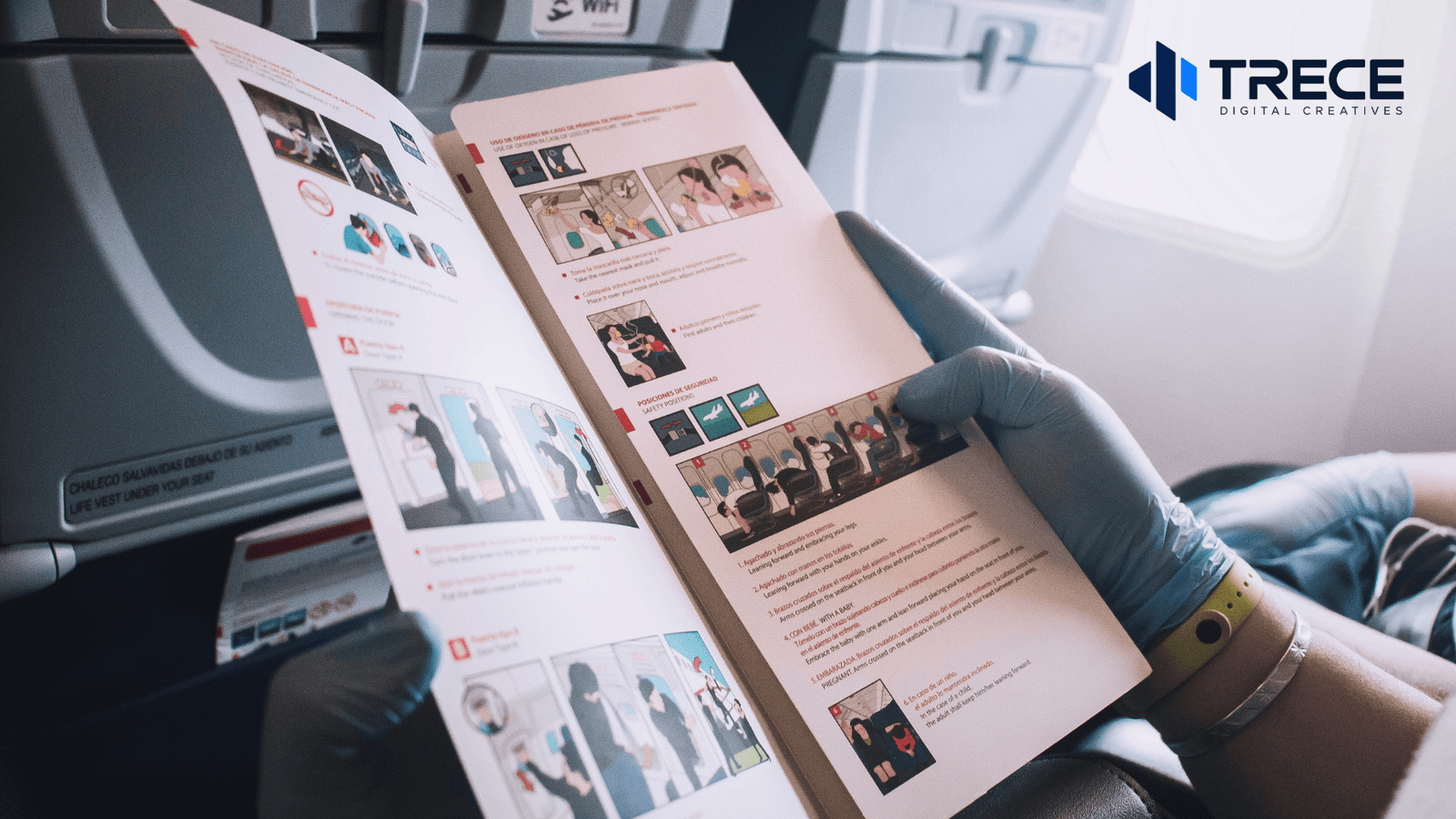


How much to charge for brochure design depends on the brochure’s size, number of pages, content, design complexity, and the work required to deliver the final files. A simple tri-fold brochure with ready-to-use content usually costs less to design than a detailed, multi-page company brochure requiring custom layouts, image editing, and multiple revisions.
For designers, the most practical approach is to estimate the total work involved, calculate a sustainable design fee, and define exactly what the client will receive. For businesses, understanding how these fees are calculated makes it easier to compare quotes and choose a designer.
As a pricing reference, 99designs lists an estimated 329–849 USD for hiring a brochure designer through its platform. Its brochure design contests start at $299 USD. Meanwhile, Upwork reports median graphic designer hourly rates of 15–35 USD.
These are published platform-specific figures, not universal industry rates. Actual fees vary considerably, and neither reference represents Trece Digital Creatives’ pricing.
How Much Should You Charge for Brochure Design?
A reasonable brochure design fee should account for the project’s requirements, your experience, and the time needed to produce a professional result.
Rather than choosing one price for every brochure, consider how the following types of projects differ.
| Brochure type | Typical design requirements | Pricing consideration |
| Bi-fold brochure | One folded sheet with four panels | Content organization, layout, and fold setup |
| Tri-fold brochure | One folded sheet with six panels | Panel arrangement, visual hierarchy, and print preparation |
| 4–8-page brochure | Several pages of company or service information | Consistent layouts, content formatting, and page design |
| 12–20-page brochure | Detailed services, products, or business information | Page planning, image management, and additional review time |
| 20+ page brochure or catalog | Extensive content, multiple sections, and product information | More complex project management, layout systems, and production checks |
These categories describe differences in project scope, not verified market price ranges.
A six-panel brochure and a six-page booklet are not necessarily equivalent projects. A tri-fold uses one sheet divided into panels, while a booklet contains individual pages that may require different layouts and a more involved production process.
The amount of work matters more than the number of panels alone.
Three Ways to Price Brochure Design Services
Designers generally use hourly rates, fixed project fees, or per-page pricing. Each approach has advantages depending on the type of brochure and how clearly the requirements are defined.
1. Hourly Pricing
Hourly pricing charges clients for the time spent completing their projects.
For example, a designer charging a hypothetical $30 USD per hour for a project requiring 10 hours would calculate:
10 hours × $30 = $300 USD
This is an illustrative calculation, not a suggested industry rate or a Trece Digital Creatives price.
Hourly pricing works well when a client needs ongoing changes, has not finalized their content, or cannot clearly define the project’s scope.
However, businesses may find it harder to predict the final amount unless the designer provides an estimated number of hours or a spending limit.
2. Fixed Project Pricing
Fixed pricing provides one agreed amount for a clearly defined brochure design project.
For example, the designer and client could agree on one fee covering:
- A six-panel tri-fold brochure
- Layout design using supplied content
- Brand colors, fonts, and provided images
- Two rounds of revisions
- Final print-ready and digital PDF files
The fee is calculated based on the expected work rather than the actual hours charged to the client.
Fixed pricing is often suitable for brochures with established content, a confirmed format, and specific deliverables.
It also gives clients greater cost certainty. Designers should still account for time spent communicating, reviewing feedback, preparing files, and making corrections.
3. Per-Page Pricing
Per-page pricing establishes a fee for each designed page.
For example, a hypothetical project with 12 pages at $50 USD per page would total:
12 pages × $50 = $600 USD
This method can make budgeting easier for longer brochures, company profiles, and catalogs.
However, not every page requires equal effort.
A page containing one large photo and a short heading may take less time than a page containing detailed specifications, comparison tables, illustrations, and multiple service descriptions.
A practical solution is to establish a base per-page fee while quoting more complex page layouts separately.
What Factors Affect Brochure Design Pricing?
Understanding the main cost factors helps designers create accurate quotes and helps businesses understand what they are paying for.
1. Number of Pages and Overall Layout
More pages generally require additional design work, particularly when the brochure contains different types of information.
A four-page brochure might use a small collection of consistent layouts. A 20-page sales brochure could require separate designs for introductions, services, product comparisons, specifications, and closing sections.
The designer must also maintain consistent spacing, headings, typography, and branding throughout the document.
Longer brochures may require a reusable layout system, but that does not eliminate the work involved in arranging and checking individual pages.
2. Custom Design vs. Template-Based Design
A brochure created using an existing template may require less time than a fully customized layout.
Template-based design can be suitable when a business has a limited budget, straightforward content, and no need for unusual page arrangements.
Custom brochure design may involve developing a unique visual direction, choosing typography, creating branded graphic elements, and organizing content specifically for the business.
Neither method is automatically the right choice for every project.
The important difference is whether the design approach meets the client’s communication needs and whether the fee reflects the actual work required.
3. Content Preparation and Copywriting
A designer who receives finalized, organized content can usually begin building the layout sooner.
Projects may require additional work when clients provide incomplete text, scattered notes, or lengthy descriptions that need editing.
Potential additional tasks include:
- Organizing information into logical sections
- Shortening or formatting existing descriptions
- Editing headings and supporting text
- Creating comparison tables
- Coordinating content changes with the client
Full copywriting is a separate skill and should not automatically be included in a layout design quote.
Businesses can reduce unnecessary revisions by preparing their information before requesting design work.
For additional guidance, read our article on what to prepare before hiring a brochure or flyer designer.
4. Images, Illustrations, and Graphic Elements
A brochure using high-quality photos and existing brand assets may be simpler to produce than one requiring substantial visual development.
Additional work might include image retouching, background removal, icon creation, custom illustrations, charts, or infographics.
Premium stock photography and licensed fonts may also create separate expenses.
Designers should clarify whether these assets are supplied by the client, included in the quote, or purchased separately.
5. Revisions and Client Feedback
Revisions are a normal part of the design process, but they should have clearly defined limits.
A client might request adjustments to colors, spacing, images, or text during an agreed review round.
However, completely changing the brochure’s format after the layout is finished can significantly increase the workload.
A good quotation should explain:
- How many revision rounds are included
- What counts as a revision
- How additional changes will be charged
- Whether major redesigns require a separate quote
These details help prevent misunderstandings about the project price.
6. Print and Digital File Requirements
A brochure designed for professional printing may require additional technical preparation.
For example, the designer may need to configure the final dimensions, color settings, fold layout, margins, and bleed areas.
Bleed refers to artwork extending slightly beyond the final trim edge so background colors and images reach the edge after cutting.
According to Adobe’s print bleed guidance, 0.125 inch (3 mm) is a common bleed measurement, although printers may specify different requirements.
Digital brochures have different considerations, including readable layouts on screens, appropriate file sizes, and functioning links.
When a client needs both print and digital versions, the designer should confirm whether separate file preparation is required.
7. Turnaround Time
Urgent projects can require additional scheduling and coordination.
A brochure needed on short notice may involve rearranging other work, prioritizing revisions, or completing production checks within a limited window.
Designers may charge an additional rush fee when appropriate, but this should be disclosed before the project begins.
Clients should also remember that the design deadline is different from the printing and delivery deadline.
How to Calculate Your Brochure Design Price Step by Step
A reliable pricing method begins with a realistic estimate of the work involved.
Step 1: Define the Scope
Identify the brochure’s format, page count, intended audience, content requirements, and final deliverables.
For printed brochures, confirm the dimensions and printing specifications before starting.
Step 2: Estimate Your Design Hours
Break the project into smaller tasks rather than estimating the entire brochure as one activity.
Include planning, design, feedback, corrections, and file preparation.
Step 3: Determine Your Working Rate
Your rate should account for more than the time spent moving elements around a design application.
Consider your experience, software and business expenses, non-billable administrative time, and the income needed to make your work sustainable.
Your personal rate does not have to match a marketplace average.
Step 4: Calculate a Base Project Fee
Multiply your estimated hours by your working rate.
Then add any separately billable costs, such as licensed assets or outside services, if applicable.
Step 5: Review the Scope and Confirm the Quote
Before sending the price, confirm your assumptions about available content, revision rounds, file formats, approval responsibilities, and deadlines.
The final fee should reflect the agreed work, not an unlimited commitment to make changes.
Example: Calculating a Tri-Fold Brochure Design Quote
Consider a hypothetical U.S. client requesting a six-panel brochure for a small service business.
The client provides finalized text, a logo, brand colors, and usable photographs. The designer is responsible for arranging the content, creating the layout, handling agreed revisions, and preparing the final files.
Here is one illustrative breakdown:
| Task | Estimated hours |
| Project brief and content review | 1 |
| Layout planning and visual direction | 2 |
| Brochure design and formatting | 4 |
| Client revisions | 2 |
| Final file preparation and checking | 1 |
| Total | 10 hours |
If the designer uses a hypothetical working rate of $30 USD per hour:
10 hours × $30 = $300 USD
The designer could use $300 as a starting project quote, provided that it covers the agreed scope and business costs.
In this example, the $300 covers design work only. Physical printing, paid stock assets, original copywriting, and additional revisions are excluded unless separately agreed.
This example is intended to demonstrate a pricing calculation. It is not a verified average, a mandatory minimum, or a published rate from Trece Digital Creatives.
If the client later requests a new brochure format or additional pages, the designer should review the added work before agreeing on a revised fee.
What Should Be Included in a Brochure Design Quote?
A clear design quote protects both the designer and the client.
It should explain what work will be completed, what files will be delivered, and which requests fall outside the agreed price.
| Quote item | What to clarify |
| Brochure format | Bi-fold, tri-fold, booklet, or another format |
| Project size | Number of panels, pages, and versions |
| Design approach | Template-based, custom layout, or redesign |
| Content | Who supplies and approves the written content |
| Images | Client-provided assets, image editing, or separately licensed visuals |
| Revisions | Number of included review rounds |
| Deliverables | Digital PDF, print-ready PDF, editable source files, or other agreed formats |
| Timeline | Review milestones, approval, and delivery |
| Additional costs | Printing, licensing, rush work, and out-of-scope changes |
| Payment terms | Agreed payment schedule and applicable conditions |
For clients, comparing quotes without reviewing these details can be misleading.
One designer might include editable source files and printing preparation. Another might deliver only a flattened PDF.
Even if the quoted prices are similar, the projects may not offer equivalent deliverables.
Brochure Design Cost vs. Printing Cost
One common source of pricing confusion is the difference between designing a brochure and producing physical copies.
Brochure design is typically a one-time project expense. It covers the creative and technical work required to prepare the agreed design.
Printing is a separate production expense unless a provider explicitly includes it in a package.
Printing costs depend on several factors, including quantity, paper type, finished size, folding, finishing options, and delivery.
For example, a business might pay a designer to prepare the brochure and then order 500 printed copies from a printing company.
If the business later orders another 500 copies without changing the design, it generally needs to pay for the new print run, not the original design work again.
However, changing service descriptions, replacing photos, or updating pricing information may require additional design work.
Ongoing design support is therefore optional rather than an automatic recurring charge. Whether future updates are included should be established in the original agreement.
How Much to Charge for Brochure Design in the Philippines
For Philippines-based designers working with U.S. clients, pricing should reflect project complexity, professional skill, and the quality of the final deliverables rather than location alone.
International pricing also requires some practical considerations.
A designer should clarify whether the client will be quoted in U.S. dollars or Philippine pesos, how payments will be processed, and whether transaction or currency conversion fees affect the amount received.
Researching competing services can provide useful context, but copying the lowest advertised rate is not necessarily a sustainable pricing strategy.
A lower fee may make sense for a limited project with ready-to-use content. It becomes harder to justify when the work requires substantial customization, multiple stakeholders, or technical production preparation.
Affordable Pricing Should Not Mean Compromising Design Quality
Businesses often look for ways to manage their marketing budgets without sacrificing professional presentation.
Working with a Philippines-based creative studio can be an option for U.S. businesses exploring cost-conscious design services.
However, price should not be the only consideration.
A professional brochure still needs accurate information, consistent branding, readable typography, appropriate visuals, and files prepared for their intended use.
Trece Digital Creatives takes a project-based approach to marketing materials pricing. As a Philippines-based creative business serving U.S. and international clients, we focus on making professional design support accessible while maintaining careful attention to layout, brand consistency, and final presentation.
Rather than applying a single published fee to every brochure, project requirements are reviewed to determine an appropriate quote.
The goal is to match the design solution to the business’s actual needs without adding unnecessary complexity.
Common Brochure Design Pricing Mistakes to Avoid
Whether you’re an independent designer or a business preparing to hire one, recognizing common pricing mistakes can prevent unnecessary expenses and disagreements.
Charging Based Only on Page Count
Page count is useful, but it does not fully represent design effort.
A brochure containing detailed tables and multiple image treatments may require considerably more work than one with straightforward text and photos.
Evaluate the actual content before calculating the fee.
Offering Unlimited Revisions Without Clear Terms
Unlimited changes can turn a small design project into an unpredictable workload.
Establish review rounds and clearly explain how additional requests are handled.
This gives clients an opportunity to provide feedback while maintaining reasonable project boundaries.
Leaving File Requirements Until the End
Discovering that a client needs an editable file or a different print format after completing the brochure can create additional work.
Confirm these requirements before providing the quote.
Forgetting Communication and Preparation Time
Client meetings, email discussions, content reviews, and final quality checks are part of completing a professional design project.
Designers should account for this work when estimating their fees.
Competing Only on the Lowest Price
A very low quote may attract attention, but it does not automatically provide the best value for the client or a sustainable return for the designer.
A better comparison considers the quality of the work, the agreed deliverables, and whether the designer understands the brochure’s purpose.
How to Know if a Brochure Design Quote Is Worth It
For a business owner, a good brochure design quote should provide more than an attractive price.
Before hiring, consider the following questions:
- Does the designer understand the intended audience and purpose of the brochure?
- Can the designer show relevant examples of brochure layouts or comparable marketing materials?
- Is the number of pages or panels clearly defined?
- Are the expected revisions and final file formats included?
- Will the final design follow the business’s existing branding?
- Are printing expenses and additional services clearly separated?
- Is the delivery schedule realistic for the work involved?
A brochure designed for an important sales presentation may justify more detailed preparation than a short promotional handout.
Similarly, a small business with finalized content and a straightforward layout may not need a complicated design package.
The best quote is the one that provides the right scope, professional execution, and clear deliverables at a price the business can justify.
Final Thoughts: Set a Fair Price Based on the Work
Knowing how much to charge for brochure design starts with understanding the project.
Designers should estimate their time, account for project complexity, set clear revision limits, and explain exactly what is included in the proposed fee.
Business owners should compare equivalent services instead of focusing only on the lowest advertised price.
A carefully planned brochure can help present services, organize product information, and give potential customers a clearer understanding of a business.
Whether the project involves a small folded brochure or a detailed multi-page presentation, clear expectations and transparent pricing help both sides make better decisions.
Need Professional Brochure Design for Your Business?
Trece Digital Creatives provides professional brochure and marketing materials design for businesses looking for clear, consistent, and well-organized visual communication.
As a Philippines-based creative business serving U.S. and international clients, we offer cost-conscious, project-based design support with an emphasis on quality and practical business needs.
Explore our Marketing Materials Design services to discuss your brochure requirements and request a project quote.
You can also get started with our free 2-hour trial task to experience our creative support before moving forward with a larger project.